
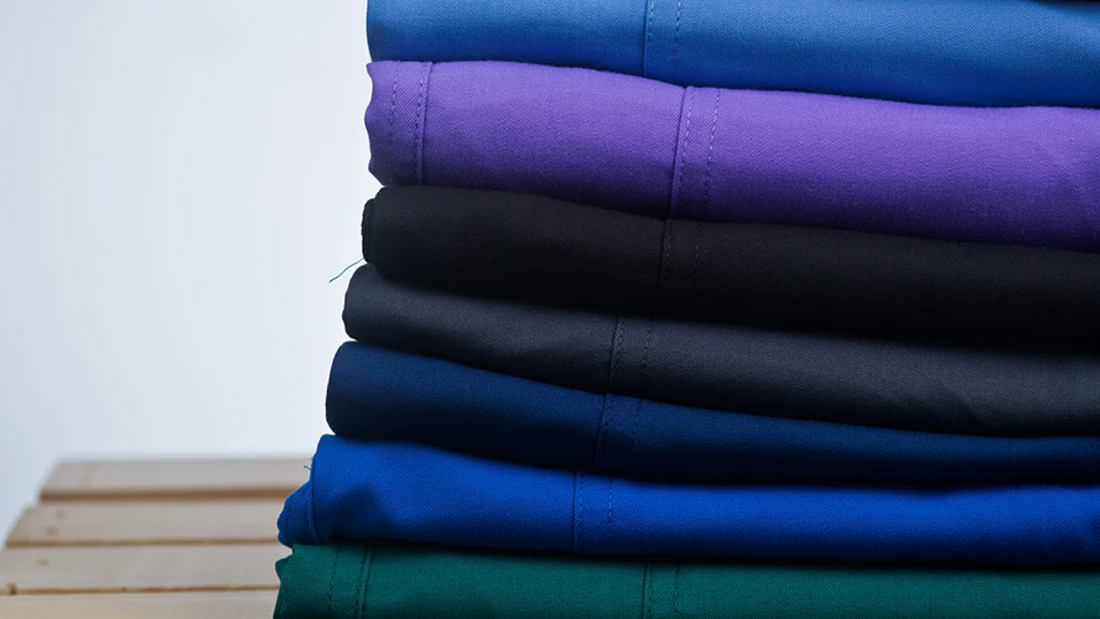

No doubt that long shifts are common for healthcare workers; that is why having a scrub that is comfortable is more important than ever. The more uncomfortable a scrub, the longer the shift will feel. Because it not only affects how you feel, but also how you move.
In this post, you’ll learn what to look for in scrub fabrics, which materials suit different roles, how to care for your scrubs so they keep performing, and quick checks to make before you buy. These are practical points you can use on your next shift or next purchase.
Why fabric quality actually matters in healthcare
Comfort directly influences focus, especially for healthcare workers. When scrubs are comfy and wick moisture, staff stay cooler and less fatigued during long hours. Breathable fabrics reduce sweat and chafing, which helps prevent skin irritation, which is an important hygiene and comfort concern in busy wards.
Durability also matters, as the scrubs that hold color and shape through repeated laundering save money over time and keep teams looking professional. Imagine an ER nurse on a 12-hour rotation; stretch and recovery in the fabric make lifting, bending, and quick movement feel natural rather than restrictive.
Key fabric properties that define comfort
Breathability and moisture-wicking keep skin dry and reduce heat buildup, which is essential during intensive care or long procedures. Stretch and recovery let you bend, lift, and reach without the fabric sagging out of shape; this elasticity also reduces wear at seams. Softness and hand-feel determine whether a scrub feels pleasant against skin; softer fabrics reduce irritation during prolonged use.
Durability means how the uniform survives daily washes and still looks professional, while correct weight and drape suit climate and preference, lighter fabrics for hot climates, heftier ones for cooler environments. Finally, antimicrobial finishes or stain resistance add practical benefits; however, you should check how durable those treatments remain after multiple washes.
Match fabric to role: practical recommendations
If you work long shifts in ER or ICU, prioritize moisture-wicking, stretch blends that move comfortably with you. Surgical or sterile settings demand tightly woven, easy-to-sterilize fabrics. For outpatient clinics or dental clinics where appearance is important, lighter cotton blends provide a crisp look. Lab technicians and pharmacy staff benefit from stain-resistant, durable fabrics that can withstand exposure to chemicals or spills.
Care & maintenance tips to preserve comfort
Correct care extends comfort and the lifespan of a scrub or any other medical wear. It is recommended to wash scrubs at the recommended temperature, using gentle detergents, and avoiding fabric softeners that can reduce moisture-wicking properties. Line-drying preserves fabric integrity where possible; tumble dry on low when needed.
Use color-safe bleach sparingly and mend loose seams early to prevent further damage. Always follow the care label; small habits keep scrubs performing shift after shift.
Conclusion
Fabric quality equals daily comfort, better performance, and long-term value. Choosing the right scrub fabric means fewer distractions on shift and a uniform that lasts. Explore Pak Scrubs’ curated collections for men and women to find performance blends and care guides that match your role, because the right scrubs make every shift easier.
FAQs
1. How often should I replace my scrubs?
Replace scrubs when they start thinning more and lose their elasticity.
2. Are antimicrobial scrubs worth it?
They can add a layer of protection in high-risk areas, but check the treatment’s durability and safety standards before relying on them.
3. Can I use fabric softener on scrub material?
No, it is recommended to avoid fabric softeners on performance fabrics; they can block moisture-wicking finishes and reduce breathability.
4. What fabric is best for hot climates?
Lightweight, breathable blends or bamboo/modal options offer the best comfort in warm environments.
5. How do I tell if a scrub has good stretch recovery?
Gently pull the fabric and release; it should return to its original shape as soon as you stop pulling it.