
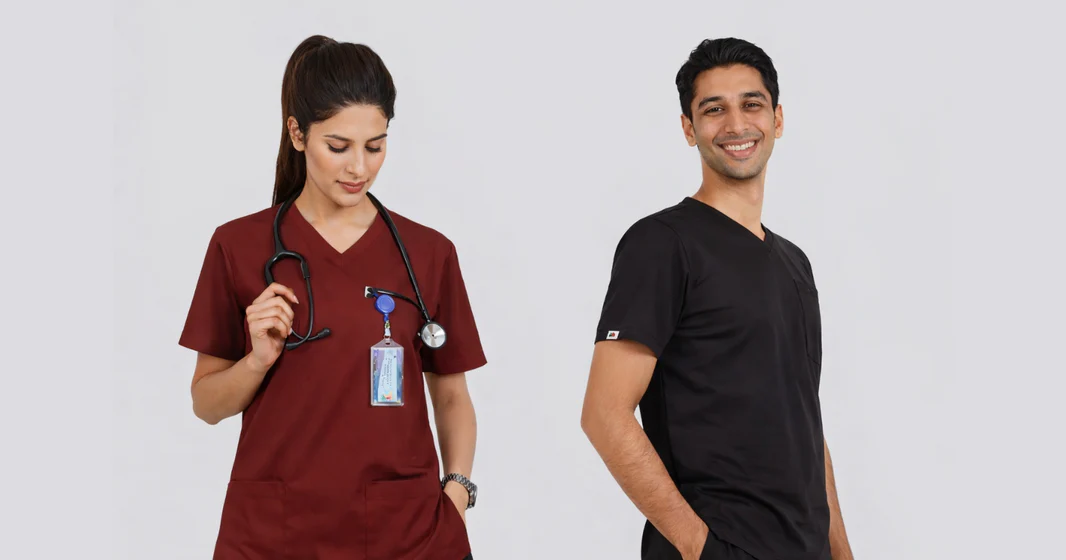

Healthcare professionals today work longer shifts, handle higher patient loads, and face demanding environments that require comfort, hygiene, and durability throughout the day. That’s why choosing the right surgical scrub fabrics is more important than ever in 2026.
Despite all this, many healthcare professionals wear uncomfortable scrubs because of a lack of proper knowledge and fabrics. If you are also one of those, then this guide is for you, where we will share with you the best surgical scrub fabrics in 2026.
Why Fabric Choice Is Critical for Surgical Scrubs
Fabric plays a major role in how surgical scrubs perform during the workday. Most healthcare professionals spend long hours on their feet, moving between patients and emergencies. That’s where an uncomfortable fabric can cause irritation, overheating, and fatigue, which can affect efficiency.
For those working in a warm environment, breathability and heat management are especially important. Poor airflow can trap heat and sweat, which makes long shifts even more exhausting. Hygiene is another important factor. Surgical scrubs must be washed frequently and should always maintain cleanliness without losing shape or quality.
Key Fabric Qualities to Look for in Surgical Scrubs
Breathability and Airflow
Breathability is one of the most important features in surgical scrubs, especially in warm and humid climates. Fabrics that allow proper airflow can help release body heat and prevent excessive sweating during long shifts, which is non-negotiable.
At the same time, good airflow can improve comfort and can help you stay focused. When the body stays cool, your energy level will remain stable, which can make it easier for you to work efficiently through demanding hours.
Softness and Skin Comfort
Soft fabric reduces friction and irritation, which is essential when scrubs are worn for a long period of time. Staying away from rough and stiff materials is key, which can cause discomfort, especially around the neck, arms, and waist.
For those with sensitive skin, softness in the fabric becomes even more important. These fabrics can help prevent rashes and irritation, and also allow you to move freely and stay comfortable throughout your shifts.
Durability and Wash Resistance
Surgical scrubs are washed often, sometimes daily. That’s why the fabric must be strong enough to handle repeated washing without losing its structure. Always choose durable materials, which can maintain their strength, stitching, and fit over time. High-wash resistance fabrics are also key, as they ensure that your scrub will last longer, which makes them important.
Ease of Maintenance
Easy-care fabrics save time and effort. Wrinkle-resistant materials can help scrubs look neat without constant ironing, while color retention keeps them looking new after multiple washes. Not to forget that shape stability is also important. Fabrics that hold their fit ensure that your scrub will continue to look professional and comfortable over time, even with regular use.
Cotton Scrub Fabrics
Benefits of Cotton in Surgical Scrubs
Cotton still remains a popular choice for surgical scrubs in 2026 because of its natural breathability. It allows air to circulate easily, which helps reduce heat buildup during long shifts. It is also known for its soft feel, which makes it comfortable for all-day wear. Many healthcare professionals prefer cotton scrubs for routine hospital work due to their lightweight and skin-friendly nature.
Limitations of 100% Cotton
Despite its comfort, 100% cotton has some drawbacks. It wrinkles easily, which can affect appearance during long workdays. It also takes longer to dry compared to synthetic fabrics. Frequent washing may lead to longer drying times, which can be inconvenient for professionals who rotate scrubs daily.
Best Use Cases for Cotton Scrubs
Cotton scrubs are well-suited for clinics, laboratories, and moderate-intensity environments. They work best where comfort is a priority and exposure to heavy moisture or high activity levels is limited.
Polyester Scrub Fabrics
Polyester is widely used in surgical scrubs because of its strong durability. It resists shrinking and tearing, even after frequent washing. This makes polyester a reliable choice for healthcare professionals in 2026 who need scrubs that maintain their appearance over time.
Comfort Considerations
One concern with polyester is heat retention. On its own, it can feel warmer than natural fabrics. However, modern fabric engineering has improved its comfort by blending polyester with other materials. These combinations enhance airflow and softness, which makes polyester-based scrubs more wearable than in the past.
Ideal Settings for Polyester Scrubs
Polyester scrubs are ideal for places that require frequent washing and high durability after working. Emergency departments, surgical units, and busy hospitals prioritize that fabric because of its strength and long-lasting quality.
Cotton-Polyester Blend Fabrics
How Blended Fabrics Work
Cotton-polyester blends combine the best features of both materials. Cotton provides breathability and comfort, while polyester adds durability and shape retention in the fabric. This balance makes it a highly rated fabric in the healthcare industry.
Advantages of Cotton-Poly Blends
These blends are breathable yet long-lasting, which makes them suitable for long shifts. They wrinkle less than pure cotton and dry faster, which not only saves time but also effort. They are also easier to maintain, keeping their color and fit after repeated washes.
Why Blends Are Popular in Pakistan
In Pakistan’s climate, cotton-polyester blends adapt well to both heat and daily wear demands. They offer comfort without sacrificing durability.
Their cost-effectiveness is another reason for their popularity. Because they provide long-term value, they are considered are smarth purchase for healthcare professionals.
Antimicrobial Fabrics
Antimicrobial fabrics are designed to reduce the growth of bacteria, fungi, and other odor-causing microbes on the surface of medical clothing. These fabrics are treated with special agents or woven with technology that slows down microbial buildup, even after repeated use.
Benefits for Healthcare Professionals
One major benefit of antimicrobial fabrics is odor control. By limiting bacterial growth, these scrubs stay fresher for longer periods, especially during physically demanding shifts.
Another advantage is reduced bacterial buildup on the fabric surface. This is particularly helpful in busy hospital environments where scrubs are exposed to multiple patients and equipment throughout the day.
Are Antimicrobial Scrubs Worth It in 2026?
In 2026, antimicrobial scrubs are becoming more common, but they are not essential for everyone. For healthcare professionals working in high-risk or high-contact environments, they can offer added peace of mind.
For standard clinical or academic settings, well-made cotton or blended scrubs can work well.
Conclusion
There is no one-size-fits-all fabric when looking for surgical scrubs. The best choice depends on your work environment, role, and personal comfort needs.
Matching fabric type to daily responsibilities can help you improve comfort, hygiene, and durability. In 2026, you, as a healthcare professional, should benefit most from scrubs that balance breathability, easy maintenance, and long-term performance. Above, we have shared with you 4 most important scrub fabrics that you can wear to enhance comfort in your demanding workday.
FAQs
1. What is the most comfortable fabric for surgical scrubs in hot weather?
Cotton-polyester fabrics are ideally considered the most comfortable surgical scrubs to wear in hot weather.
2. Are antimicrobial scrubs necessary for all healthcare workers?
No, they are not ideal for standard clinical and academic settings.
3. Do blended scrub fabrics last longer than pure cotton?
Ideally, yes, blended scrubs fabrics last longer than pure cotton.
4. How often should surgical scrubs be washed?
Ideally, you should wash your scrub daily.