
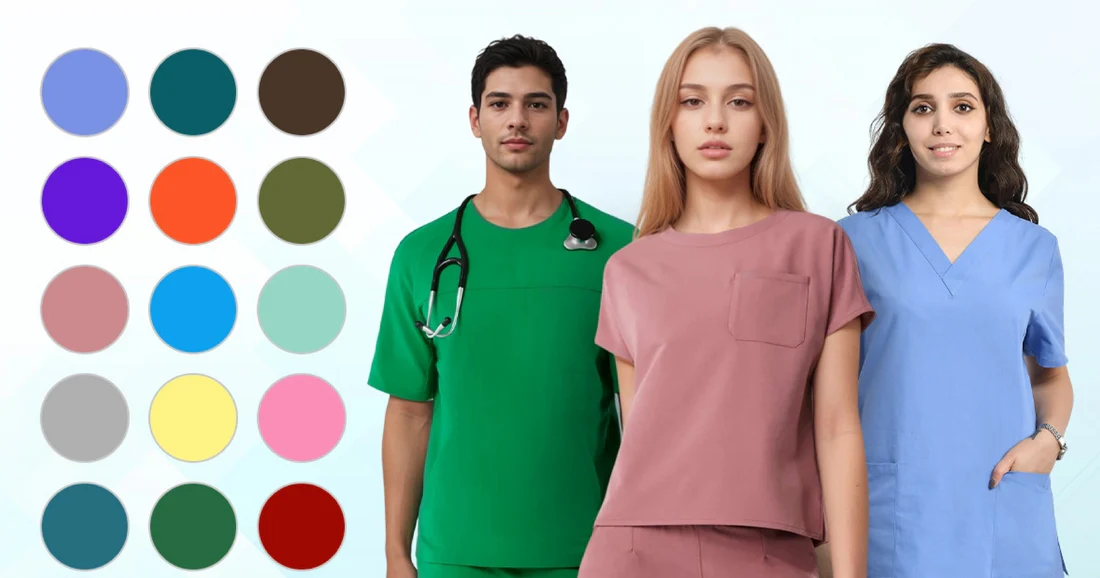

Color changes how we feel. The right scrub color can lift your mood, make you look fresher, and give you a confidence boost before a long shift. For healthcare staff, that little boost matters; it shows in calmness, focus, and the way patients respond.
Pakistani skin tones are beautiful and varied. Some people have warm, wheatish tones. Others are olive or deep tan. Each tone has colors that make it glow. Yet many local scrubs come in the same dull blues and faded greens. That leaves many healthcare workers settling for clothes that don’t flatter them.
Pak Scrubs wants to change that. We create scrub colors that complement Pakistan’s climate and skin tones. This guide will help you select scrub shades that match your complexion and your skin tone.
Why Scrub Color Matters
Color is not just a matter of style; it also affects your mood, energy, and how others perceive you. In hospitals and clinics, the right color can calm patients and make teams look coordinated.
Different colors send different signals. Blue is calming and trustworthy. Green is refreshing and soothing. White appears tidy and polished. Sand or burgundy are examples of warmer tones that add coziness and warmth.
Benefits that are useful are also important. Stains are better concealed by darker hues. Under fluorescent lights, soft, soothing shades lessen eye strain. Wearing the appropriate color can help you come across as more professional when making rounds and more personable when speaking with patients.
At Pak Scrubs, we design colors with these facts in mind. Our fabrics are designed to be breathable for Pakistan’s weather, and our shades are carefully chosen to complement common local undertones. When you feel good in your scrubs, it shows in the care you provide.
Understanding Pakistani Skin Tones
Before selecting colors, it’s helpful to know your skin undertone. Undertone is the subtle color beneath your skin’s surface. It differs from your visible skin tone and remains the same year-round. The three common undertones are warm, calm, and neutral.
Warm undertones have a golden, yellow, or olive base.
Cool undertones have pink or rosy hints.
Neutral undertones are a mix of both.
You can check simply at home. Look at the veins on your wrist. If they look green, you are most likely have a warm undertone. If they look blue or purple, you’re probably cool. If you can’t tell, you might be neutral. Another test: try gold and silver jewelry. Gold usually flatters warm tones. Silver often suits cool tones. If both options look good, you are likely to be neutral.
In Pakistan, many people fall between warm and neutral, often with golden or olive hints. That shapes which scrub colors work best. Matching colors to your undertone can brighten your face, make you look healthier, and help you feel more confident. Later sections will list practical color picks for each undertone, so you won’t have to guess.
Best Scrub Colors for Warm Skin Tones
Warm undertones have a golden, yellow, or olive base. These tones look great in colors with depth and warmth. The right shades highlight your skin and create a balanced, professional look.
Top picks for warm tones:
Olive Green: Blends naturally with warm skin. It looks professional and earthy. Olive is also forgiving with stains and hospital lighting.
Burgundy / Maroon: It’s deep, rich, and confident. This color adds warmth and looks polished for both doctors and nurses.
Navy Blue: A classic that balances warmth without washing you out. It’s a safe, professional choice.
Mustard or Sand Beige: It’s a subtle, unique choice that adds personality while staying professional.
Colors to avoid: Very pale pastels or washed-out shades can make warm skin look dull. Neon or overly bright yellows may clash with a golden undertone.
Best Scrub Colors for Cool or Fair Skin Tones
Cool undertones show pink or rosy hints. Fair skin with calm undertones looks best in cooler, softer shades that add contrast without washing out the face.
Top picks for cool or fair tones:
Sky Blue/Steel Blue: Clean and bright without overpowering. These blues highlight a fair, cool complexion in a professional way.
Lilac or Lavender: Soft, fresh, and slightly different from hospital blues. Lavender adds a gentle glow.
Charcoal Gray: Sophisticated and professional. Gray gives a strong contrast and helps features stand out.
Emerald Green: A bold, flattering option for lighter tones. It’s vibrant but not harsh.
Colors to avoid: Bright, warm yellows or neon shades can overpower cool skin and make it look washed out. Very warm beiges may also clash.
Practical tip: Cool-toned scrubs often look crisp under clinic lights. Pair sky blue tops with darker bottoms to keep the outfit grounded. Choose charcoal pants for a professional, low-maintenance look.
Universal Colors That Suit Everyone
Some colors are almost foolproof. They flatter a wide range of Pakistani skin tones and work in nearly any clinical setting. If you’re unsure, start with these reliable shades.
Navy Blue: Classic and professional. Navy suits warm, cool, and neutral undertones. It hides stains, looks sharp on round surfaces, and pairs easily with various shoe and badge colors.
Ceil Blue (soft hospital blue): Calm and clean. This pale-blue shade is familiar in healthcare. It reads approachable to patients and keeps you looking fresh under bright clinic lights.
Dark Gray / Graphite: Modern and practical. Gray doesn’t compete with skin undertones. It conceals marks well and gives a neat, corporate look without feeling heavy.
Wine / Deep Maroo: Personality with polish. Deep maroon adds warmth and depth. It works as a subtle accent or a full scrub set for those who want a stylish but professional feel.
These colors suit neutral and mixed undertones exceptionally well. Neutral undertones can carry almost any color, so neutral palettes like navy, gray, and teal blue become go-to choices. Many hospitals prefer calm, neutral colors for easy identification and team cohesion, meaning these colors will always blend in.
How to Pick the Right Color for Your Role & Setting
Color choice is both practical and personal. Many hospitals and clinics use color codes by department. However, when you have freedom, choose a color that suits your role, stain risk, and the mood you want to create.
By department: Green shades are frequently used by surgeons and operating teams to lessen glare and eye strain. Blue or cel blue is frequently used by nurses and general wards to create a serene, consistent appearance. White, gray, or subdued colors that project a crisp, clinical appearance are usually preferred in labs and diagnostics.
By setting:
Hospitals: Calming blues and greens work best. They soothe patients and look consistent across teams.
Clinics: Brighter, friendlier shades help create a welcoming vibe for outpatients and children.
Labs: Whites and grays signal cleanliness and focus.
Practical tips: Darker colors hide stains and work well in high-activity roles like ER and housekeeping. Lighter colors show spills but look crisp; choose breathable fabrics and easy-care blends to keep them fresh. If you move between departments, choose neutral shades that adapt; navy or charcoal are safe bets.
Conclusion
The right scrub color can change how you feel and how others see you. It does more than match your uniform; it boosts confidence, calms patients, and helps you feel ready for every shift.
There’s no single “best” color for everyone. However, navy, celery blue, dark gray, and deep maroon are safe and flattering choices for most Pakistani skin tones. Choose breathable, long-lasting textiles that can tolerate normal wear and tear, and match colors to your role.
FAQs
1. What scrub colors look best on warm Pakistani skin tones?
Green, brown, blue, and sand beige.
2. Which scrub shades suit cool or fair skin tones?
Sky blue, lavender, and emerald green.
3. Are there universal scrub colors that suit everyone?
Blue, red, dark gray, and deep maroon.
4. Why does scrub color matter in healthcare?
Colors affect mood, patient perception, and professionalism while also hiding stains and reducing eye strain.
5. How should I pick scrub colors for my role?
Surgeons often wear green, nurses wear blue, and lab personnel prefer white or gray; choose shades that complement your setting and undertone.